7 Design Moves to Prioritize Thinking
Busy classrooms are not necessarily thinking classrooms. A student can appear fully engaged — heads down, pencils moving, content being produced — and still not be learning. What we've long mistaken for learning is often just activity. The missing ingredient has always been thinking. AI didn't create this problem. It simply made it impossible to ignore. Now that a tool exists that can produce the appearance of student work without a single genuine thought, we are forced to ask the question we should have been asking all along: Are our students actually thinking?
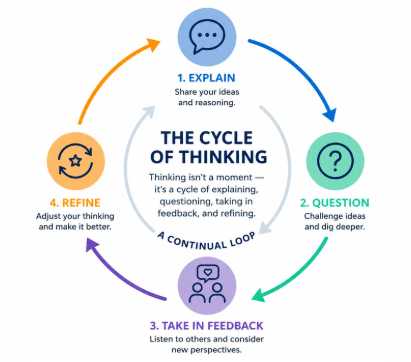
The problem we face is that thinking is HARD to teach because it is not a moment, an activity, or a tool. Thinking is a cycle. A cycle that takes time, intentional questioning, quality feedback, and refining of thoughts—something very hard to do in a classroom with one teacher and many students. But it is necessary to move from chasing engagement to architecting cognition. Every instructional decision must pass through one non-negotiable filter: Does this require students to think?
The good news is that this shift is teachable. The instructional design moves that prioritize thinking over activity are concrete, practical, and immediately applicable.
It is possible to prioritize thinking in instructional design. In fact, it is necessary. Without a plan, technology can easily become a more efficient way to do the wrong thing. At the end of the day, we always want to ask, "Does this make students think more, or less?"
Move 1: Spark Curiosity
To inspire true learning, we must create conditions for wonder long before the first slide of a lesson is shown. Traditionally, we have front-loaded information, effectively shutting down curiosity before it can start. Instead, we must launch learning with open-ended exploration, ensuring students arrive at formal instruction already buzzing with self-generated questions.
“Teachers need to trick students into caring about information before they realize they need it.”
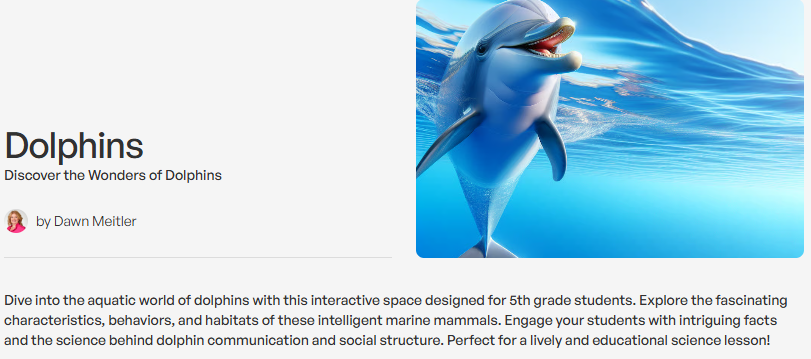
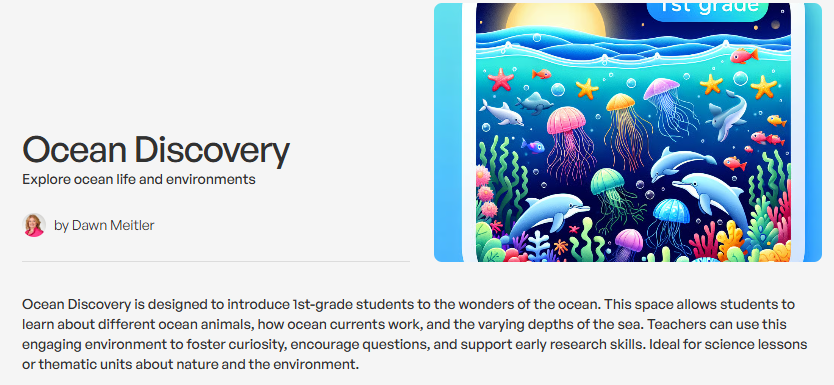
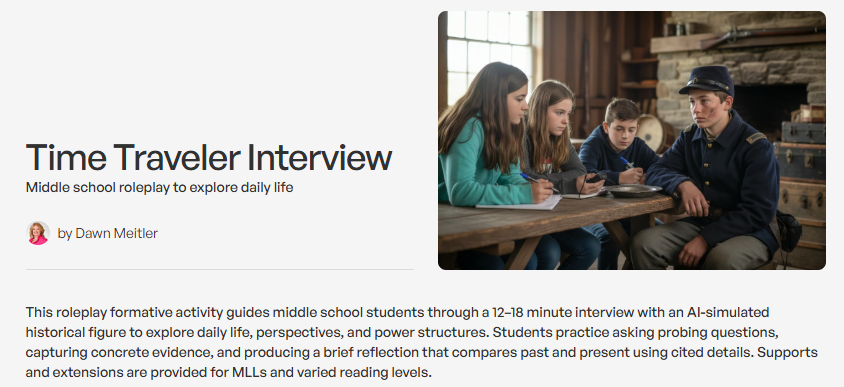
Using SchoolAI as an anchor tool, educators can create discovery spaces that invite inquiry-based exploration. By prioritizing this "ignition point," we transform the classroom from a place where answers are delivered into a space where thinking is ignited.
Curiosity is the spark for all thinking that follows.
Classroom Example: Students use a SchoolAI “Space” to explore an unknown topic before any information or objectives are shared by the teacher. They have complete control over the information they seek and the questions they ask. After this introduction, students are then asked to share their discoveries as a launching point for the lesson. Students are much more engaged in information if they first explore their curiosities about the topic.
Move 2: Build Tasks Worth Thinking About
If a task can be completed by a simple AI prompt without a student’s thought, the problem isn’t the AI; it’s the task. We must design rich, driving questions and Project-Based Learning (PBL) experiences that demand genuine intellectual investment.
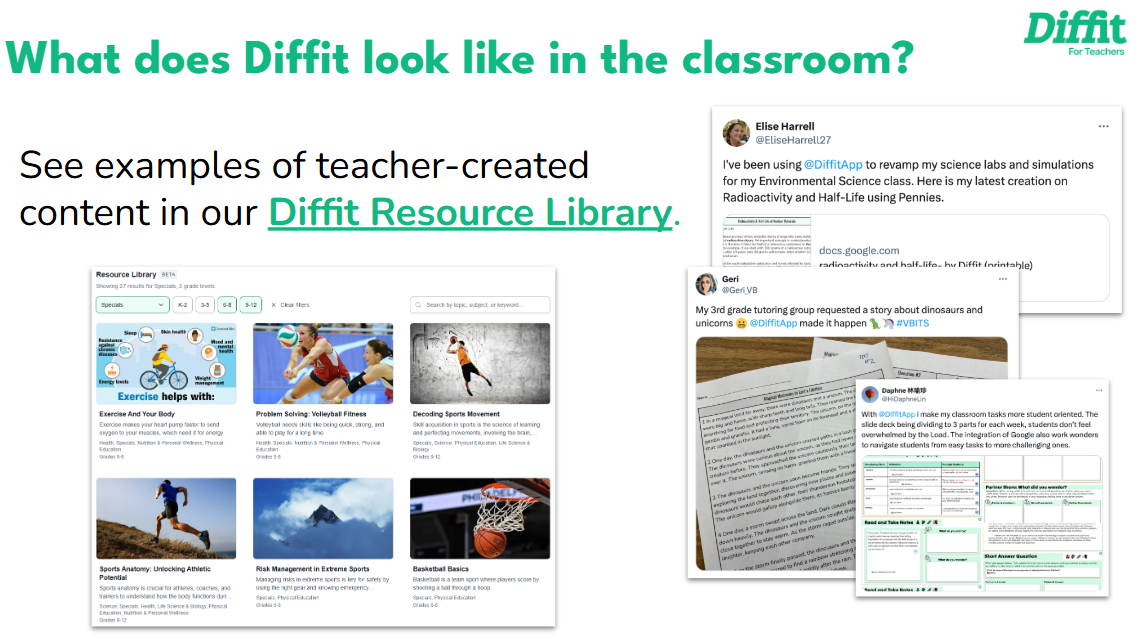
Diffit makes classroom-ready resources of rich tasks, PBLs and scaffolded supports.
AI in the hands of a student can bypass thinking. AI in the hands of a teacher can build it. By utilizing Diffit For Teachers, educators can design thinking tasks that are challenging, interesting, and differentiated for every learner’s specific level, without watering down the cognitive demand. This ensures the lesson design remains focused on high-level work that is, literally, worth thinking about.
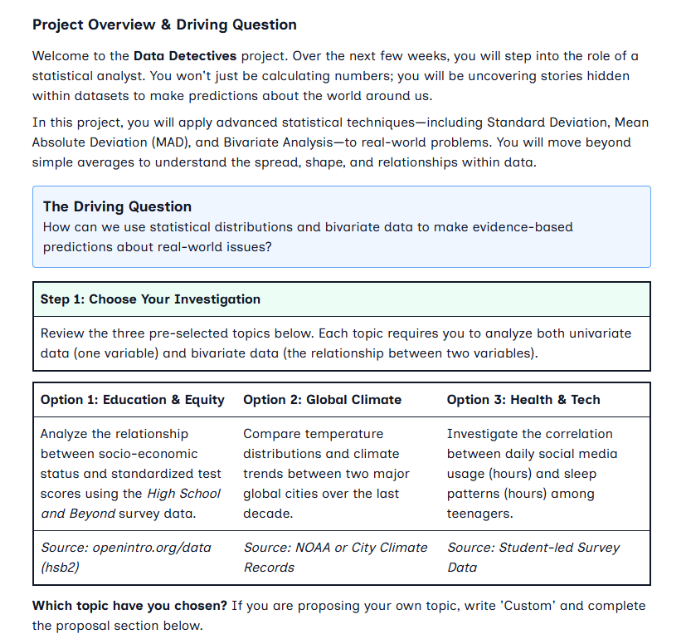
Classroom Example: An Algebra 1 teacher used Diffit to create a project-based learning experience for their student’s end-of-year statistics unit. Diffit quickly generated a well-structured project, allowing for student agency and differentiation.
Move 3: Create Structures for Thinking Together
Thinking should never be a solitary, hidden act. Grounded in the "Building Thinking Classrooms" research by Peter Liljedahl, we must disrupt the traditional "sit-and-get" model by utilizing Vertical Non-Permanent Surfaces (VNPS), visibly random groupings, and rich thinking tasks.
When student thinking is put on the wall, and it is visible, erasable, and shared, collaborative thinking is unavoidable. On a vertical surface, students can’t hide, and they can’t simply copy. They are forced to think out loud together. This move ensures that the "collective brain" of the classroom is activated, making the cognitive process a public and dynamic event.
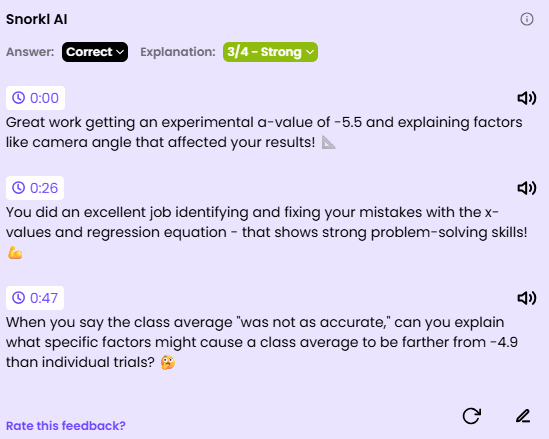
Classroom Example: Algebra 1 students worked at whiteboards in pairs for the class period. They were building quadratic functions to maximize the area of a region. To bring that collaboration to independence, the teacher closed the lesson with a Snorkl activity. Students took pictures of their whiteboard work, and then they uploaded that picture as their written solution. Then students recorded their explanation of the problem in Snorkl, giving the teacher and themselves feedback and closure on their learning for the day.
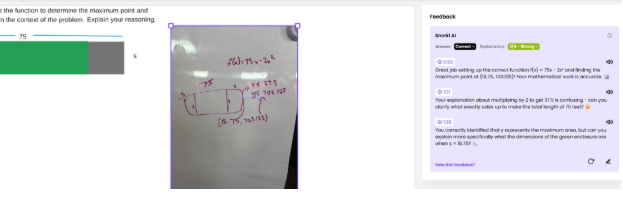
Snorkl feedback to consolidate a Building Thinking Classrooms lesson.
Move 4: Capture Student Thinking
A student can arrive at a "right answer" through entirely flawed reasoning, a reality that traditional paper-and-pencil tasks fail to expose. To truly coach a learner, we must see inside the thinking, not just the final result.
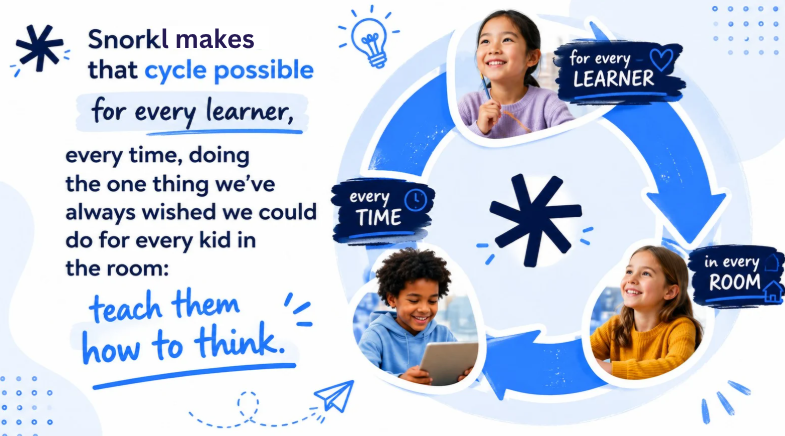
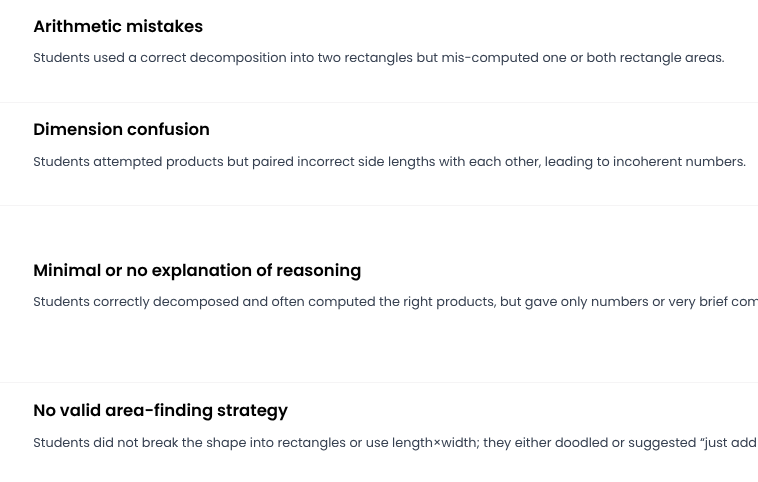
By using Snorkl to capture student reasoning in real-time, we turn learning into a visible and audible journey. Snorkl questions students to guide them toward correct reasoning, prompting them to refine their thinking along the way. Snorkl requires students to participate in the THINKING CYCLE. It is a formative assessment move that surfaces misconceptions immediately. Snorkl's “insights” give immediate instructional groupings for teachers to use for small-group intervention. When teachers can see inside the "how" and "why" of a student’s logic, they can intervene exactly where the thinking breaks down.

Move 5: Design Feedback for a Cognitive Response
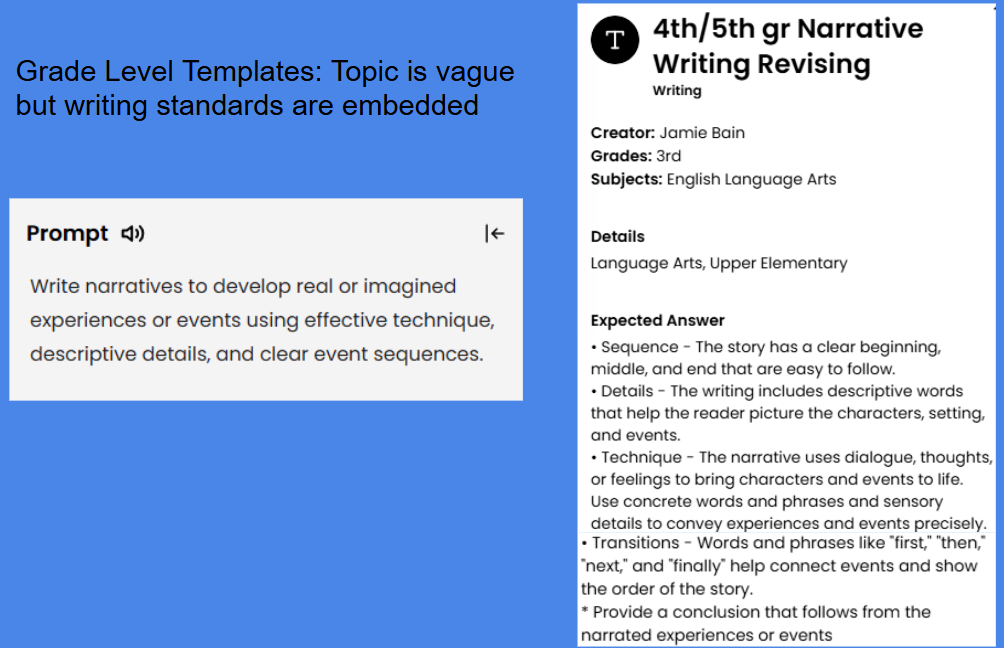
Snorkl Writing Feedback for targeted feedback.
In a traditional model, feedback is often a final judgment on a finished task. To drive thinking, feedback must be designed to be a part of the iterative cycle of learning. It must demand a cognitive response rather than a simple correction of a grade.
Using tools like Brisk and Snorkl to generate efficient, targeted feedback, we can require a specific three-step thinking move from students:
Review the AI-generated feedback.
Execute at least one meaningful revision.
Explicitly explain why that revision improves the logic of the work.
The most significant learning does not happen when the student writes the first draft, nor does it happen when the feedback is delivered; it happens when the student is forced to grapple with it and integrate it into their understanding.
“Feedback is a thinking move, not a final judgment.”
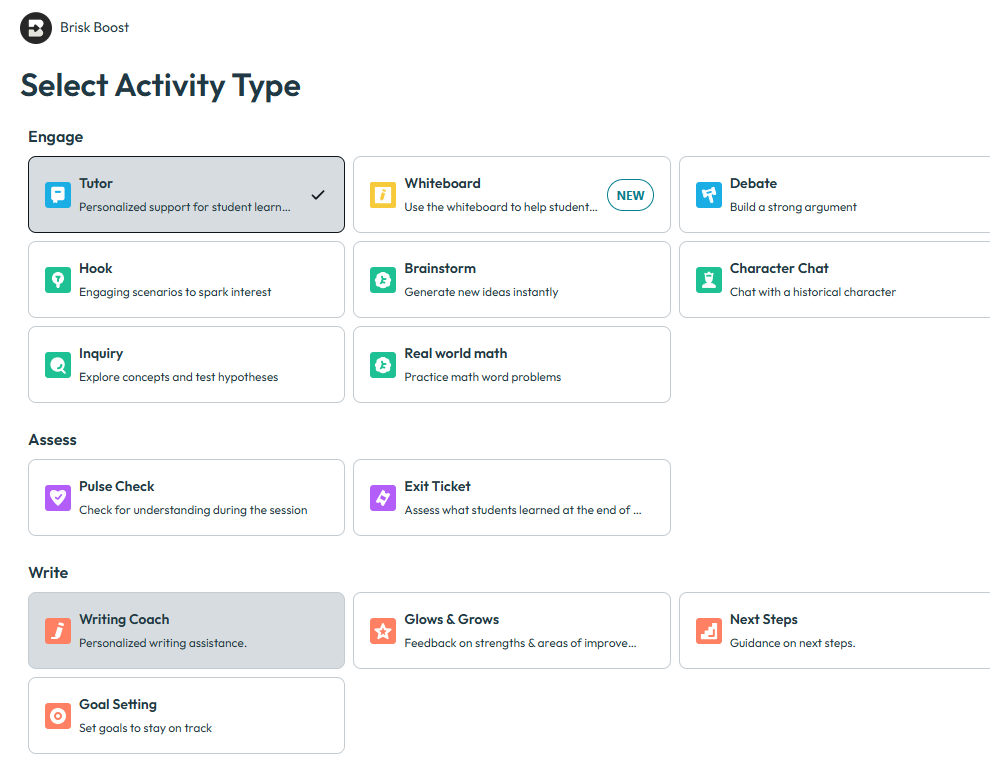
Brisk Boost Activity: Writing Coach
Classroom Example: Students in 7th grade social studies used Brisk Writing Coach to get feedback on their essays. They were required to include the Brisk feedback in their final document, as well as a reflection on the feedback. The reflection prompts asked students to find areas of disagreement and to justify their decisions. This design move encourages students to work iteratively with AI and interact with the feedback to make decisions.
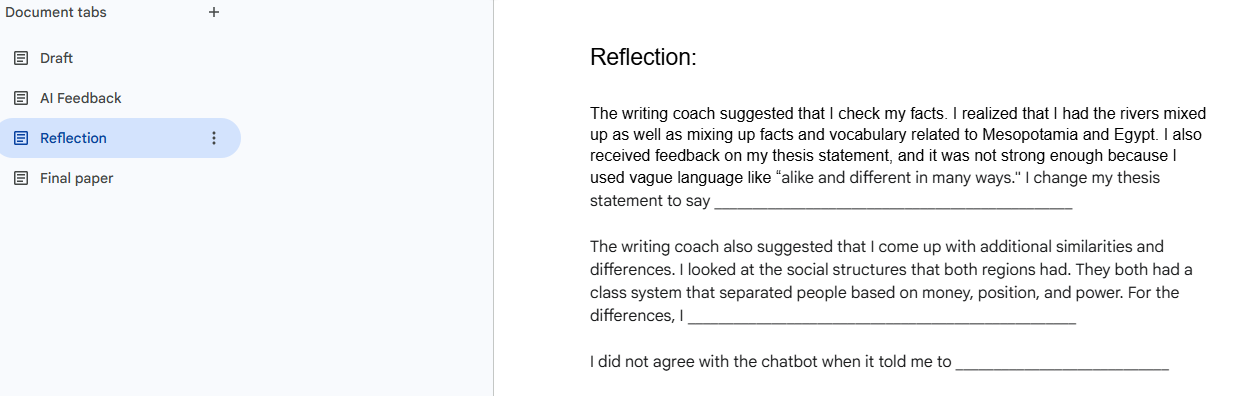
Google Document with tabs for student input and reflection.
Move 6: Offer Students Real Agency Over Their Learning
We say we want independent thinkers, but our systems are built for compliance. Genuine agency requires a shift in how we define and design the path to proficiency. True agency allows students to make meaningful choices across four critical dimensions:
What they explore: Student-generated driving questions and personal interest frames.
How they show it: Using creative "choice tools" like Canva, Adobe Express, or podcasting platforms to demonstrate mastery.
Which sources do they use: Utilizing NotebookLM as a vehicle for student-driven inquiry and deep research.
How they get to proficiency: Navigating tiered tasks and AI-supported learning paths.
Here is the contradiction we must name: we cannot invite students into genuine agency while our grading systems punish them for taking a different route. Traditional grading structures reward compliance with a singular path, not proficiency. Transitioning to Standards-Based Grading or Competency-Based Learning is not an optional add-on; it is the structural prerequisite that makes agency real.
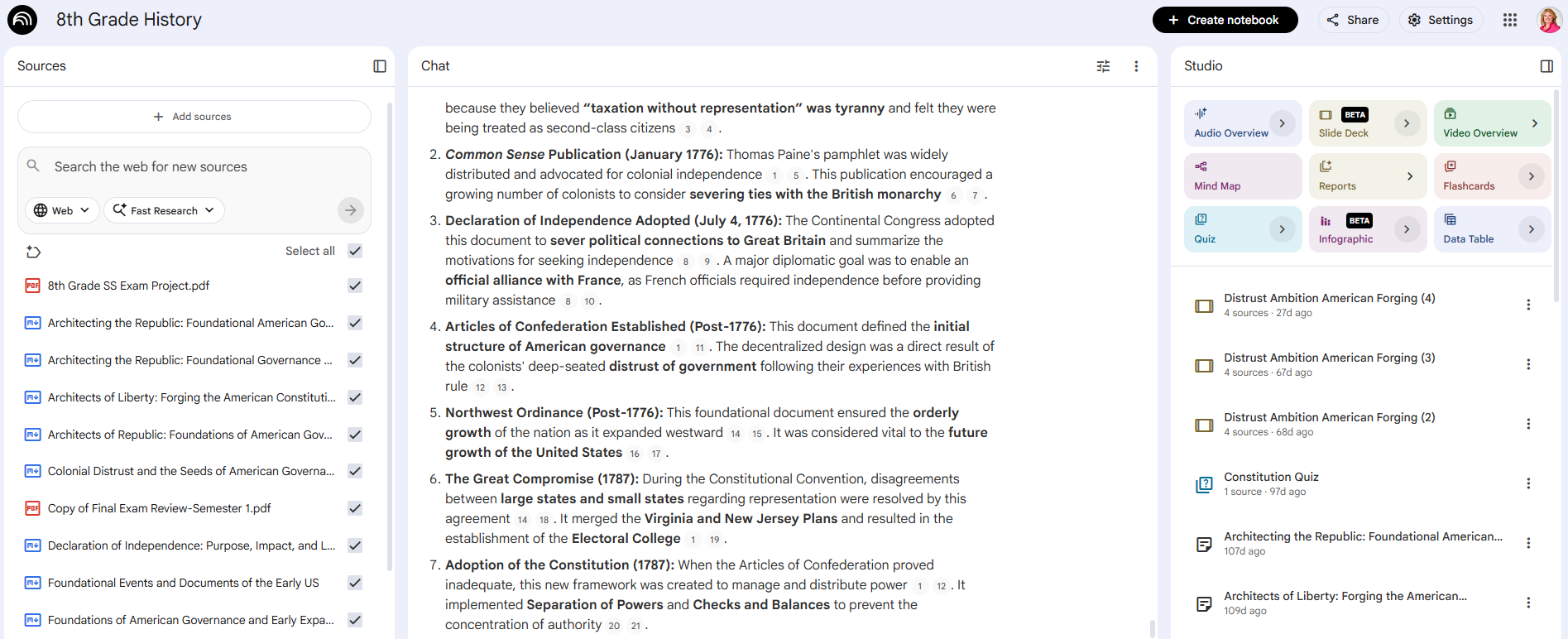
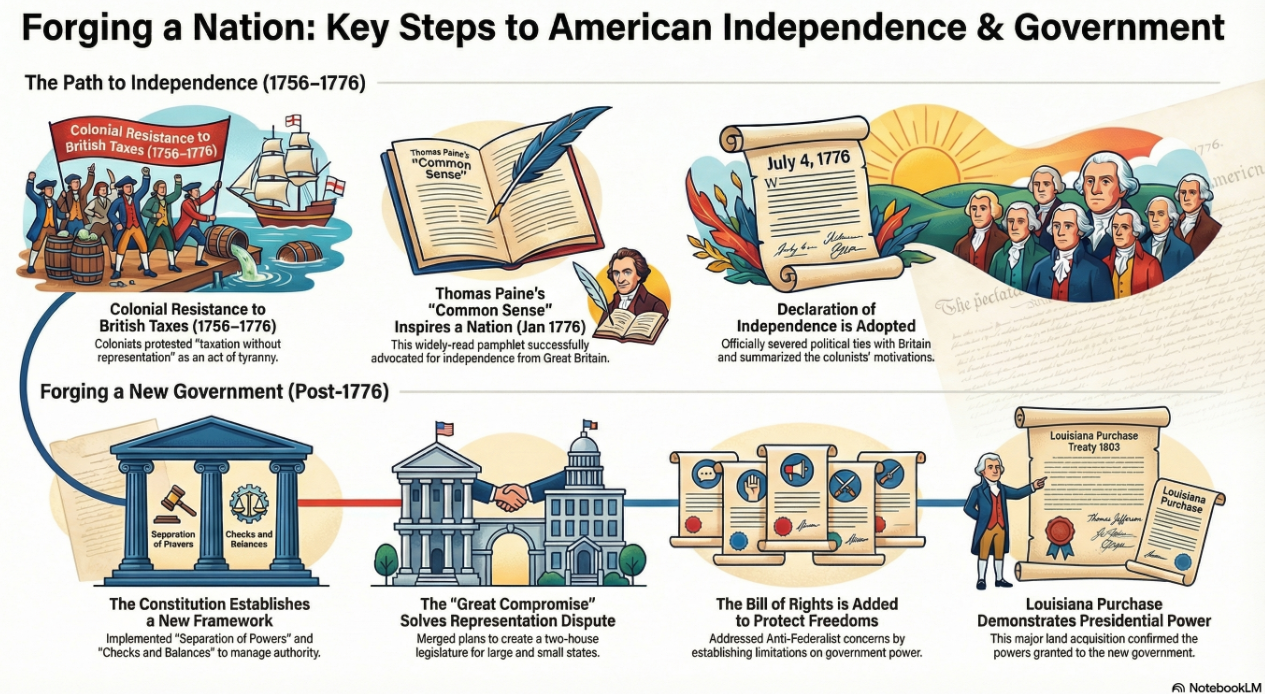
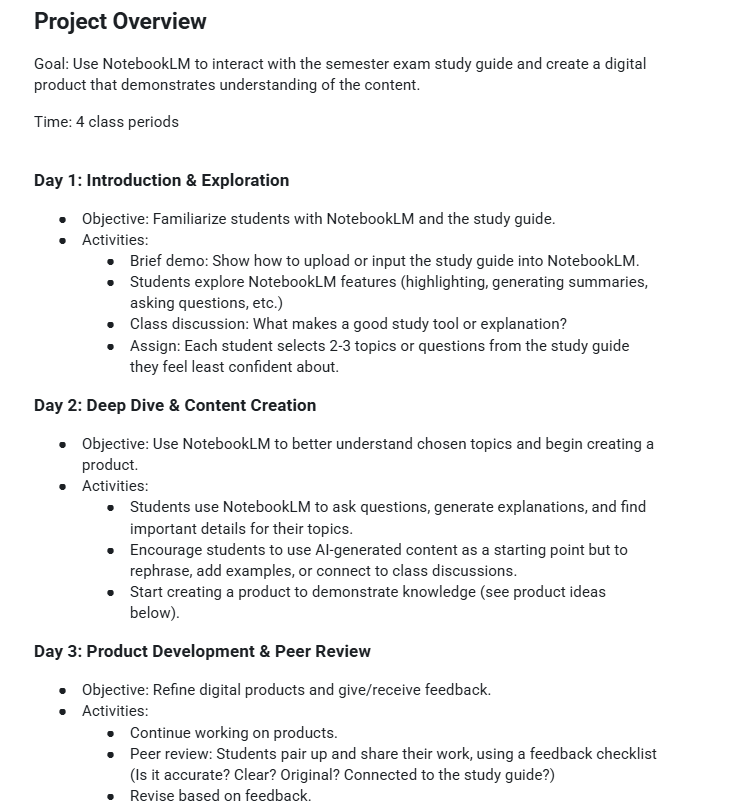
Classroom Example: 8th-grade history students had a semester project where they had complete agency in how they would show mastery. Using NotebookLM, students chose source material, generated new material through prompting, and built a portfolio of artifacts. They were given choices on how to demonstrate their learning within the typical exam period.
Move 7: Build Habits for Students to Think ABOUT Thinking
This is the move that makes all the other moves stick. We must transform AI from an "answer machine" into a "thinking partner" by building metacognitive habits that transfer across any tool. When students learn to interrogate the AI, they are actually interrogating their own understanding.
We must teach students to end every AI interaction with prompts that demand higher-order inquiry:
"Challenge my thinking on this point."
"What gaps or biases am I missing in my logic?"
"Critique my argument from a different perspective."
Knowing what you do not yet understand is the highest-order thinking possible, and it is also the hardest to design for. When students use AI to pressure-test their own ideas, they stop being users of technology and become architects of their own thinking. That is the shift worth designing for.
The Future is Thinking
The true purpose of this design philosophy is not "tool fluency" or even "AI fluency." It is thinking fluency. The value of AI is not found in the technology itself but in the intentional instructional design that it can support.
AI has stripped away the need for an "answer” or a "product," forcing us back to our true purpose: teaching students how to think. As you evaluate the next AI tool or strategy for your classroom, ask yourself:
Will this make students think more or less?